
Zinc Anodes for Cathodic Protection Applications
RELI SLEEVE Zinc Anodes are sacrificial anodes manufactured for cathodic protection of steel structures in marine and seawater environments. Zinc anodes provide galvanic protection by acting as the sacrificial material and helping protect connected steel structures from corrosion.
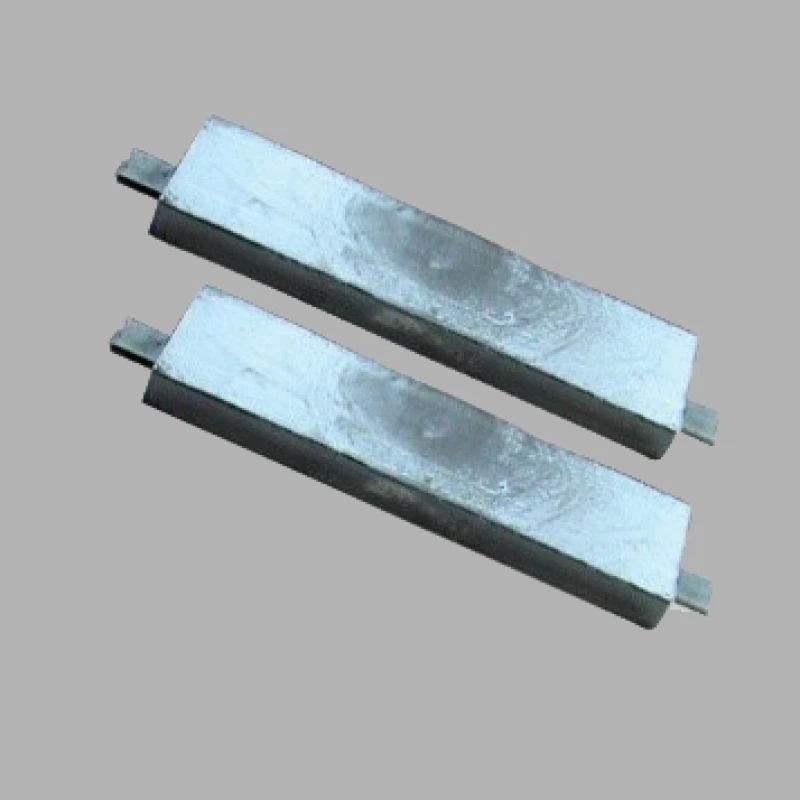 ZINC SACRIFICIAL ANODES
Zinc Anodes Product Introduction
Zinc anodes are sacrificial anodes used in cathodic protection systems to reduce corrosion of submerged steel structures. Zinc acts as the sacrificial metal and supplies protective current to the connected steel surface.
Zinc sacrificial anodes are widely used in marine applications including ship hulls, seawater structures and other submerged steel assets where galvanic cathodic protection is required.
RELI SLEEVE manufactures zinc anodes in application-specific configurations according to approved engineering drawings, cathodic protection requirements, applicable standards and customer specifications.
Types of Sacrificial Anodes
RELI SLEEVE offers different types of sacrificial anodes for specific structures and cathodic protection requirements. Zinc can be selected as the anode material where appropriate to the approved CP design and operating environment.
Jacket Anodes
Sacrificial anodes for offshore jackets, platforms and submerged steel structures.
View Jacket Anodes →Pipeline Bracelet Anodes
Half-shell and segmented bracelet anodes designed for submerged pipeline protection.
View Pipeline Bracelet Anodes →Hull Anodes
Sacrificial anodes for ship hulls, vessels and marine structures.
View Hull Anodes →Offshore Wind Farm Anodes
Cathodic protection anodes for offshore wind foundations and substations.
View Wind Farm Anodes →Miscellaneous Application Anodes
Specialized sacrificial anodes for different marine steel structures and installation requirements.
View Miscellaneous Anodes →Custom Application Anodes
Custom-shaped and application-specific anodes manufactured according to project requirements.
View Custom Anodes →Key Features of Zinc Anodes
Sacrificial Protection
Zinc functions as the sacrificial material in a galvanic cathodic protection system, helping protect connected steel surfaces.
Marine Application
Suitable zinc anode systems can be used for selected marine and seawater cathodic protection applications.
Application Specific
Anode dimensions, configuration and attachment arrangements can be developed according to project requirements.
Standard Compliance
Zinc anodes can be manufactured according to applicable standards and approved customer specifications.
Custom Dimensions
Dimensions can be manufactured according to approved drawings and cathodic protection calculations.
Reliable Manufacturing
Manufacturing is supported by RELI SLEEVE's technical capability and quality-focused production approach.
Zinc Anodes Technical Specification
| Product Type | Zinc Sacrificial Anode |
|---|---|
| Protection Method | Galvanic / Sacrificial Cathodic Protection |
| Primary Material | Zinc Alloy |
| Primary Application | Marine and Submerged Steel Structures |
| Operating Environment | Seawater / Marine Environment |
| Configuration | Application and Project Specific |
| Dimensions | As per Approved Engineering Drawing and CP Design |
| Mounting | As per Application and Approved Installation Design |
| Electrical Continuity | As Required by CP Design |
| Design Life | As per Cathodic Protection Design |
| Manufacturing Standard | US Mill Specification, ASTM Standards or Client Specification |
Zinc Anode Grades & Standards
RELI SLEEVE Zinc Anodes can be manufactured according to applicable zinc anode specifications, ASTM requirements, US Mill Specifications or customer-specific standards.
Zinc Anode Chemical Composition
Zinc anode chemistry can be manufactured according to the applicable specification. The following composition values are the supplied reference specifications for Zinc Anodes.
| Element | US Mill Spec | ASTM B148-II |
|---|---|---|
| Al | 0.10–0.50 | 0.005 Max. |
| Si | 0.125 Max. | — |
| Cd | 0.025–0.15 | 0.03 Max. |
| Fe | 0.005 Max. | 0.0014 Max. |
| Pb | 0.006 Max. | 0.003 Max. |
| Cu | 0.005 Max. | 0.002 Max. |
| Zn | Remainder | Remainder |
Final chemical composition should be confirmed against the applicable material specification, approved project documentation and customer requirements before production.
Zinc Anode Applications
- Ship Hull Protection
- Marine Structures
- Submerged Steel Structures
- Offshore Structures
- Seawater Applications
- Pipeline Protection
- Retrofit Cathodic Protection
- Replacement Anode Systems
- Specialized Marine Assets
- Project-Specific Applications
Zinc Anodes for Different Applications
Marine & Hull Protection
Zinc anodes can be considered for suitable ship hull and marine cathodic protection applications.
Explore Hull Anodes →Offshore Jacket Protection
Application-specific sacrificial anodes for offshore jacket and submerged steel structures.
Explore Jacket Anodes →Pipeline Protection
Bracelet-type anode systems for selected submerged pipeline cathodic protection requirements.
Explore Pipeline Anodes →Custom Protection Systems
Custom zinc anode configurations can be developed where standard geometries are unsuitable.
Explore Custom Anodes →Advantages of Zinc Sacrificial Anodes
Proven Sacrificial Principle
Zinc acts as a sacrificial material in galvanic cathodic protection systems, helping reduce corrosion of protected steel.
Marine Compatibility
Zinc anodes are established for selected marine and seawater cathodic protection applications.
Flexible Configuration
Different configurations can be produced according to the structure, installation and engineering requirements.
Project-Specific Manufacturing
Anode dimensions and manufacturing details can be developed according to approved project specifications.
About RELI SLEEVE
Engineering & Manufacturing Capability
RELI SLEEVE is part of the Reliable Group, an industrial organization with experience serving Oil & Gas, Petrochemical, Power, Water, Infrastructure and Process Industries.
The group has evolved from industrial trading and supply into manufacturing, engineering and specialized industrial solutions. RELI SLEEVE supports corrosion protection requirements with specialized products including sacrificial anodes and cathodic protection solutions.
Zinc Anodes can be manufactured according to applicable standards, approved engineering drawings, cathodic protection calculations and customer specifications.
Frequently Asked Questions About Zinc Anodes
What are Zinc Anodes? +
Zinc anodes are sacrificial anodes used in galvanic cathodic protection systems. Zinc acts as the sacrificial material and helps protect connected steel structures from corrosion.
Where are Zinc Anodes used? +
Zinc anodes are used in selected marine and seawater cathodic protection applications including ship hulls, submerged steel structures, offshore structures and other suitable assets.
Can RELI SLEEVE manufacture Zinc Anodes according to customer drawings? +
Yes. Zinc anodes can be manufactured according to approved customer drawings, project specifications and cathodic protection requirements.
Which standards are available for Zinc Anodes? +
RELI SLEEVE can manufacture zinc anodes according to applicable US Mill Specifications, ASTM requirements and customer-specific specifications.
Can Zinc Anodes be used for ship hulls? +
Zinc anodes are used in suitable marine cathodic protection systems for ship hulls and other marine structures, subject to the applicable CP design and operating conditions.
Can Zinc Anodes be custom manufactured? +
Yes. Custom dimensions and configurations can be developed according to approved engineering drawings, installation requirements and the cathodic protection design.
What determines the required Zinc Anode size? +
Anode size and quantity are determined by the cathodic protection design, protected surface area, environmental conditions, required protection period and installation requirements.
Need Zinc Anodes for Your Project?
Share your application, drawing, dimensions or cathodic protection requirements with RELI SLEEVE for a project-specific solution.